Can Veneers Oxnard CA Fix Multiple Smile Concerns at Once?
A single cosmetic treatment that improves several problems at the same time is easy to find on marketing pages. Real life is less tidy. Some patients walk into a dental office hoping for one answer to discoloration, small chips, uneven edges, slight crowding, and gaps, all without months of orthodontics or repeated whitening visits. In the right case, veneers can do exactly that. In the wrong case, they can become an expensive shortcut that never quite feels right.
That distinction matters when people start searching for Veneers Oxnard CA. The question is not whether veneers can Veneers Oxnard CA make teeth look better. They can. The real question is whether they can solve your specific mix of concerns in a way that looks natural, functions well, and holds up over time.
After years of watching cosmetic cases succeed beautifully and, in some instances, require revision because the original plan was too aggressive or too optimistic, one thing stands out. Veneers work best when they are used with restraint and judgment. They are not magic shells. They are precise restorations that can transform a smile, but only when the underlying bite, tooth structure, and expectations are properly evaluated.
Why veneers appeal to people with more than one concern
The appeal is obvious. Instead of whitening one set of teeth, bonding another, reshaping a third, and considering orthodontics for spacing, veneers can sometimes address several visible issues in one coordinated treatment plan.
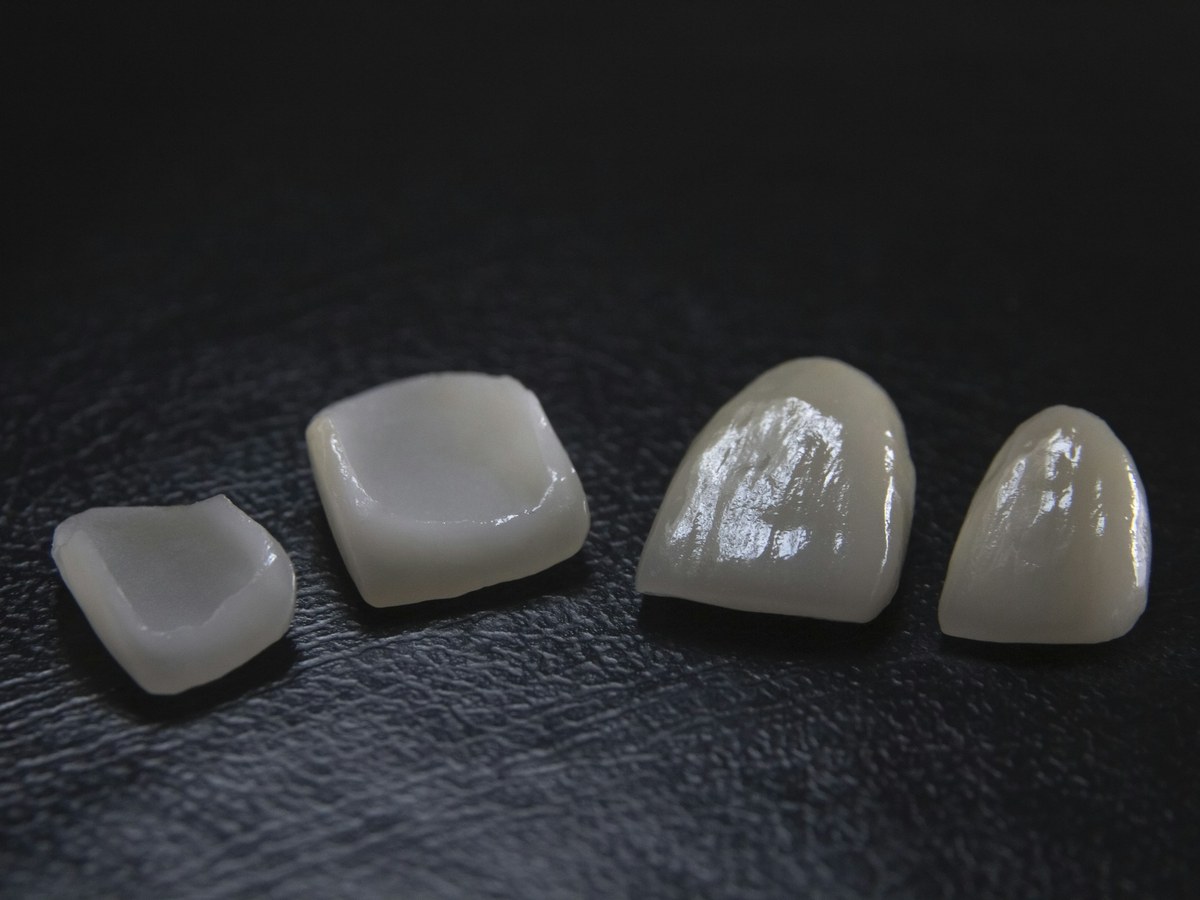
Porcelain veneers are thin restorations bonded to the front surface of teeth, usually in the smile zone. Because they cover the visible face of the tooth, they can alter color, shape, length, contour, and apparent alignment. That makes them especially useful when a patient has what dentists often call a “stacked” cosmetic case, meaning several moderate concerns rather than one severe functional problem.
A common example looks like this: a patient has naturally small lateral incisors, a couple of worn front edges from grinding, one slightly rotated tooth, whitening-resistant staining, and a few uneven spaces that catch the eye in photos. No single issue is catastrophic. Together, they create a smile that feels older, less balanced, or just not quite right. Veneers can often unify all of those details in a way that separate treatments cannot.
That does not mean every concern should be treated with veneers. It means veneers are often a strong option when the improvements needed are mostly visual and concentrated in the front teeth.
The smile problems veneers can often correct at the same time
Veneers are versatile because they work on both color and form. When treatment is carefully planned, they can address multiple concerns in one case, including:
- deep staining that does not respond well to whitening
- small chips, worn edges, or minor enamel irregularities
- short or uneven teeth that make the smile line look jagged
- mild gaps or slight spacing between front teeth
- minor visible misalignment, such as a tooth that appears twisted or tucked back
That list is where many people stop, but the real value is in how those changes interact. A tooth can look crooked because it is shorter than its neighbor. A gap can seem larger because the tooth shapes are too narrow. A smile can read as dull or aged because of both discoloration and edge wear. Veneers let a dentist design all of those elements together rather than chasing them one at a time.
Patients often notice the combined effect more than any single correction. They may say their teeth look “cleaner” or “more even,” even if they cannot name every design change. That usually means the proportions were handled well.
Where veneers truly shine, and where they do not
The best veneer cases tend to share a few traits. The teeth are generally healthy. The patient wants a visible cosmetic change. The alignment concerns are mild to moderate rather than severe. Gum health is stable. The person also understands that veneers are restorations, not a temporary beauty treatment.
A patient with tetracycline staining is one good example. Whitening alone often gives limited improvement, especially if the discoloration is deep or banded. Veneers can mask the color while also refining shape and edge wear. Another excellent example is the patient with naturally undersized teeth and small spaces. Orthodontics may move the teeth, but it will not necessarily fix the proportions. Veneers can create a more harmonious width and length.
On the other hand, veneers are often overestimated in cases involving significant crowding, major bite issues, active gum disease, or untreated clenching. If front teeth are heavily overlapped, simply placing veneers to make them look straight may require removing more enamel than is ideal. If the bite is unstable, even beautifully made veneers can chip or debond under stress. If gums are inflamed, the final margins rarely look as clean as patients expect.
This is where experienced treatment planning matters more than before-and-after photos. A dramatic result on social media tells you almost nothing about whether the case was appropriate.
Can veneers replace orthodontics?
Sometimes, partially. Sometimes, absolutely not.
This is one of the most important conversations in cosmetic dentistry. Veneers can create the appearance of straighter teeth, particularly when the misalignment is small and limited to the visible surfaces. A slight inward rotation, a modest overlap, or a narrow gap may be improved through shape modification. That is cosmetic camouflage, and in the right case, it works very well.
But veneers do not move roots, expand arches, or correct a true bite discrepancy. If the upper and Veneers Oxnard CA lower teeth do not meet properly, if crowding is substantial, or if there is a functional issue driving wear, orthodontic treatment may be the more conservative and durable first step.
Many adults searching for Veneers Oxnard CA are specifically trying to avoid braces or aligners. That is understandable. Time matters. Professional appearance matters. Comfort matters. Still, there is a point where avoiding orthodontics can make the cosmetic solution less conservative. A skilled dentist will say so plainly.
In some of the best smile makeover cases, treatment is combined. A short course of aligners may position the teeth more favorably, allowing for thinner veneers and less tooth reduction. Patients are often surprised to hear that this route can actually preserve more natural tooth structure than going straight to porcelain.
The consultation is where the real answer appears
People often ask whether they are “a candidate” for veneers as if the answer is binary. In practice, the consultation is more nuanced. Dentists are evaluating whether veneers can improve the smile and whether they are the right way to do it.
The key factors usually include enamel quality, current restorations, bite pattern, tooth position, gum architecture, and your goals. If a patient says, “I want a natural improvement, not a movie-star smile,” the design choices change. If another says, “I hate how square and flat my teeth look,” then edge contour and length become central.
Photos help. So do mock-ups and wax-ups. Some offices use provisional designs or temporary mock-ups that let patients preview the proposed changes. That step can prevent a lot of regret because people often react differently to shape than they expect. A small increase in length may look elegant on a model and feel too prominent on the actual face. A brighter shade may look fresh in the operatory and overly opaque in daylight. Cosmetic dentistry lives in those details.
A thoughtful consultation should also include a frank conversation about what veneers will not fix. If someone has a very gummy smile caused by lip movement or jaw position, veneers alone may not solve that concern. If a patient has dark triangles between teeth caused by gum recession or triangular tooth shapes, veneers may help, but only to a degree, and sometimes not without trade-offs.
What the process usually looks like
The veneer process is not especially difficult for most patients, but it is more involved than whitening or bonding. In many cases, treatment happens over two main visits after planning is complete.
At the first treatment appointment, the teeth are prepared, though the amount of reduction varies. In conservative cases, very little enamel is removed. In others, more shaping is needed to create room for the porcelain and avoid bulkiness. Impressions or digital scans are taken, and temporary veneers may be placed.
That temporary phase is often underestimated. It is not just a waiting period. It is a trial run. Patients can assess speech, edge length, comfort, and overall appearance. Dentists can spot issues that are hard to predict on a screen, such as how the smile looks in motion or how the lower lip interacts with the upper front teeth.
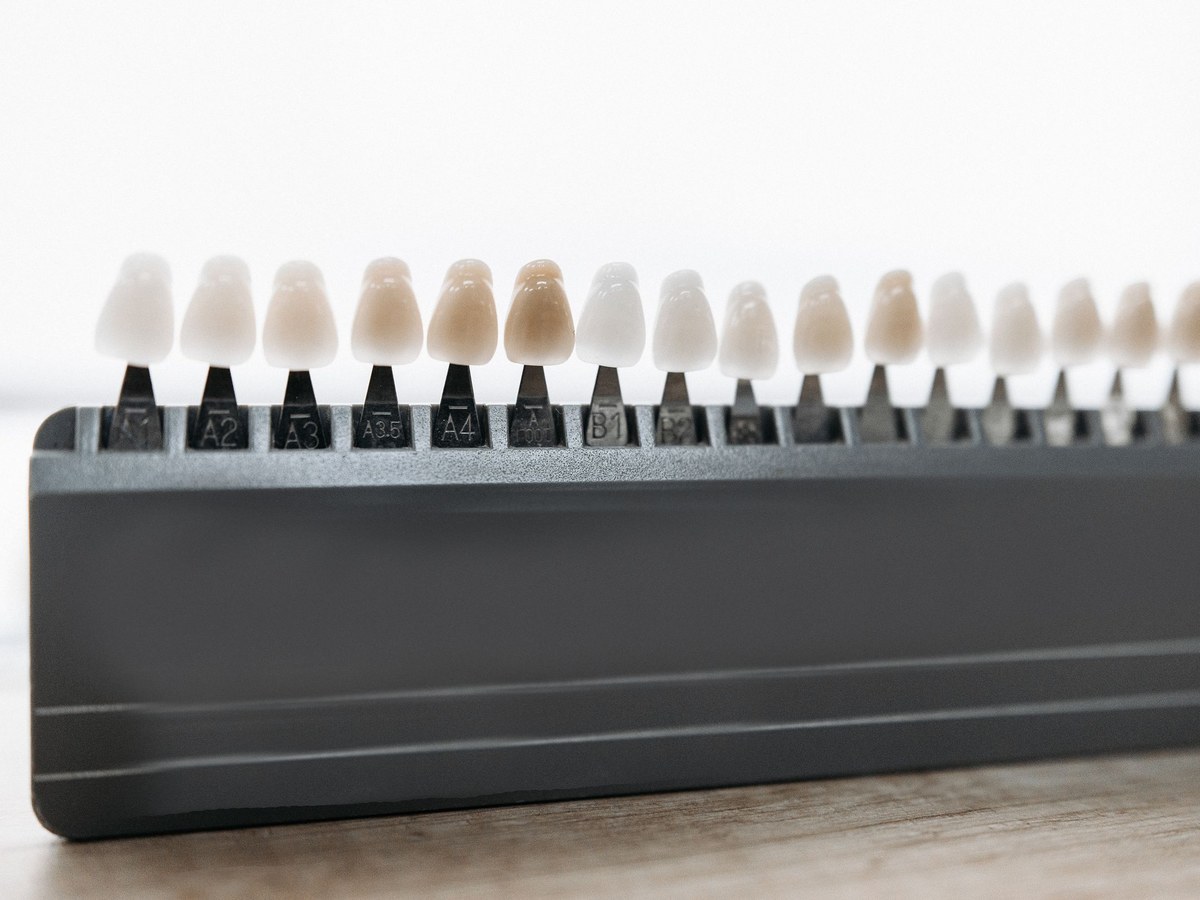
At the delivery visit, the final veneers are tried in, adjusted if needed, and bonded. Bonding is technique-sensitive work. Shade selection, moisture control, fit, and occlusion all matter. A well-made veneer in the wrong bite can fail. A decent veneer in a carefully adjusted bite may last a long time.
How long veneers last, and what shortens their lifespan
Most porcelain veneers can last many years, often around 10 to 15 or more, depending on the case and maintenance. That said, lifespan is not a guarantee, and averages can be misleading. Some veneers fail early because the case was poorly selected. Others remain stable far beyond the expected range because the bite is favorable and the patient takes care of them.
The biggest threats are usually not coffee, red wine, or ordinary use. They are grinding, nail biting, chewing ice, opening packages with teeth, and ignoring bite issues. Gum recession can also change how veneers look over time, especially at the edges. That is why periodontal health matters before treatment, not just after.
Patients who clench or grind at night often need a custom night guard. This is not a sales add-on. It is basic protection. Many people who invest in cosmetic dentistry are surprised to learn that their front teeth show wear because of nighttime forces, not daytime habits. Without protection, new veneers can become another surface absorbing that stress.
The trade-offs people should understand before saying yes
Veneers can be life-changing for confidence, but they are not reversible in the casual way some people imagine. Even minimal-prep cases usually involve at least some permanent alteration to the tooth. That means the decision deserves the same seriousness as any restorative treatment.
There is also the question of scope. If one central incisor is discolored and chipped, treating only that tooth may be difficult to match perfectly. If six upper front teeth are treated, the result can look more balanced, but the cost rises. Smile design is often about harmony rather than isolated correction. Patients should know that “just one veneer” is sometimes technically possible and aesthetically unwise.
Then there is the issue of expectations. Veneers can create a brighter, more symmetrical smile. They cannot change facial structure, lip mobility, or every sign of aging around the mouth. They can improve the frame of the smile, but not every surrounding feature. The happiest patients tend to want refinement, not perfection.
Veneers versus bonding, whitening, and crowns
A lot of cosmetic confusion comes from comparing veneers to treatments that serve related but different purposes.
Whitening is the least invasive option for generalized discoloration, but it does nothing for shape, chips, or spacing. Bonding can repair small chips and close limited gaps with less drilling and lower cost, but it is generally more prone to staining and wear than porcelain. Crowns cover the full tooth and are better suited for teeth that are heavily damaged, root canal treated, or structurally compromised.
Veneers sit in the middle. They are more durable and stain-resistant than bonding, more transformative than whitening, and more conservative than crowns when the tooth does not need full coverage. That is why they are so often discussed in smile makeovers. They occupy the sweet spot for visible cosmetic change when the underlying teeth are still reasonably healthy.
The right choice depends less on what looks best in a brochure and more on what the tooth actually needs.
Questions worth asking at a veneer consultation
Before committing, patients should walk away with clear answers to a few practical questions:
- how many teeth need treatment to achieve a balanced result
- whether any orthodontic movement or gum treatment should happen first
- how much natural tooth structure will be removed
- what kind of temporaries or smile preview will be available
- how the bite will be protected long term, especially if grinding is present
Those questions do more than screen for competence. They reveal whether the treatment plan is being customized or simply sold.
What makes a result look natural instead of obvious
Natural-looking veneers are rarely the brightest ones in the room. They usually have subtle translucency, believable surface texture, and proportions that fit the face, lips, and age of the patient. A 25-year-old and a 55-year-old do not always benefit from the same shape language. Gender, facial width, skin tone, and even speech patterns influence design choices.
One detail that experienced cosmetic dentists pay close attention to is incisal edge position, the way the front edges of the teeth relate to the lower lip. Too short, and the smile can look aged or hidden. Too long, and speech or lip comfort may suffer. Another detail is the emergence profile near the gumline. If veneers are overcontoured, they can look bulky and trap plaque. If they are undercontoured, they may look flat and unfinished.
The best cases are often the least conspicuous. Friends comment that someone looks refreshed, polished, or more confident without immediately realizing veneers were involved. That usually means the design respected the person instead of overpowering them.
Cost matters, but value matters more
Cosmetic dentistry is a significant investment, and veneers are no exception. Costs vary by region, materials, complexity, and the number of teeth involved. In a market like coastal Southern California, fees may reflect not only lab quality and clinical expertise but also the level of design planning built into the process.
When patients compare prices for Veneers Oxnard CA, the temptation is to focus on the per-tooth number. That number matters, but it does not tell the whole story. A lower fee may not include detailed mock-ups, high-end ceramics, bite analysis, or a lab technician skilled in natural aesthetics. A higher fee does not automatically mean better work either. The issue is what is actually being delivered, how carefully the case is planned, and whether the treatment is appropriate to begin with.
Redoing cosmetic work is almost always more expensive than doing it carefully the first time. It is also harder on the teeth.
When veneers are a smart answer to multiple concerns
Veneers are often a strong solution when the problems are visible, primarily cosmetic, and concentrated in the front teeth. They are especially effective when several moderate issues overlap, such as staining, minor wear, small gaps, and subtle asymmetry. Instead of patching each issue separately, veneers can bring the smile into balance in one coordinated design.
They are less ideal when the smile concerns are being driven by deeper functional issues, unhealthy gums, severe crowding, or unrealistic expectations. In those situations, the smartest treatment may involve orthodontics, periodontal care, bite stabilization, or a combination approach.
That is the honest answer behind the headline question. Yes, veneers can fix multiple smile concerns at once, often remarkably well. But the real success comes from choosing them for the right reasons, on the right teeth, with the right plan. When that happens, the result can feel less like a cosmetic trick and more like the smile should have looked that way all along.
Oxnard Dentistry
1730 E Gonzales Rd, Oxnard, CA 93036, United States
+1 805-307-8731
FAQ About Veneers Oxnard CA
How long do porcelain veneers last?
Porcelain veneers can last for many years, but they can chip, loosen, or wear over time. Their lifespan depends on factors such as your bite, whether you grind your teeth, and daily care. Regular dental visits let your dentist check their condition.
Are dental veneers permanent?
Traditional veneers often require removing a small amount of enamel, so that change to the tooth is generally irreversible. Veneers can still need repair or replacement. Ask your dentist how much preparation your teeth would require.
How much do veneers cost in Oxnard?
Cost depends on the material, how many teeth you want treated, and whether you need other dental work first. Ask for a written estimate that explains the price per tooth and what is included.