What to Bring to Your Wisdom Teeth Removal Appointment
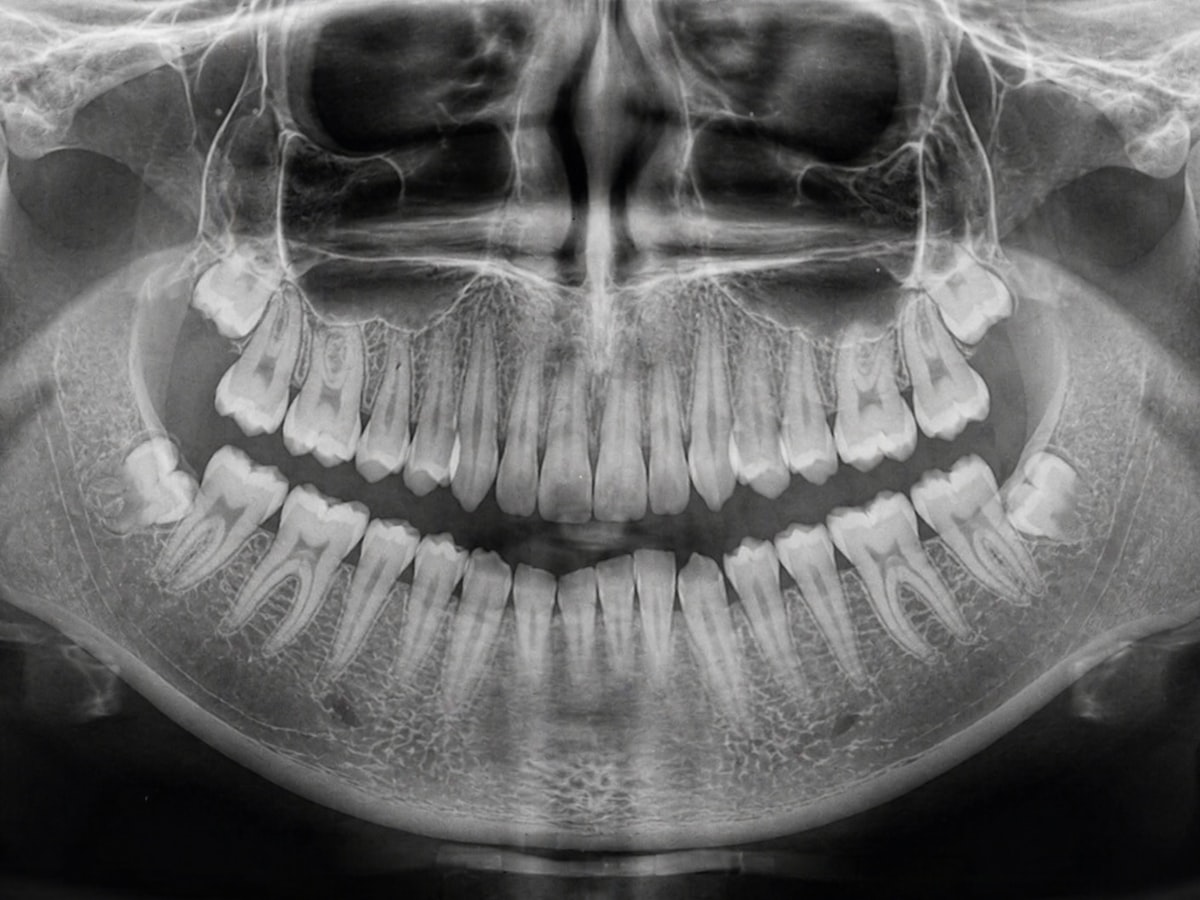
If you have a wisdom teeth removal appointment coming up, the easiest way to lower your stress is to get practical before you get nervous. Most people spend a lot of time thinking about the procedure itself, then realize the night before that they have not planned for the ride home, the swelling, the numb mouth, or the first few hours of recovery. That is usually where the real friction starts.
The good news is that this appointment does not require an elaborate packing strategy. You do not need a suitcase, and you do not need to overprepare. But there are a handful of items that make a genuine difference, especially if you are having sedation, multiple teeth removed, or a longer trip back home. The right things can make check-in smoother, recovery calmer, and the first evening far more manageable.
I have seen the same pattern again and again. The patients who feel most settled tend to arrive with the basics handled: paperwork ready, comfortable clothes on, a reliable ride arranged, and home recovery supplies waiting for them before they walk through the office door. The ones who struggle are often not underprepared medically, but logistically. That distinction matters.
Start with the non-negotiables
Some items are not optional. If you forget them, your appointment may be delayed, shortened, or canceled, particularly if sedation is involved.
Bring your photo ID, insurance card if applicable, and any paperwork the oral surgeon or dental office asked you to complete. Many offices send health history forms electronically, but not all of them. If you were given printed instructions ahead of time, keep those with you or save them on your phone. It helps to have them available if there is a last-minute question about fasting, medications, or arrival time.
If the office requested payment on the day of service, handle that in advance if possible. It is one less thing to think about when you are anxious and one less conversation to have after sedation. Some offices are efficient at discharge, others are busy and move quickly. If your financial arrangements are already in place, the whole process feels easier.
The other major non-negotiable is your escort, if you are receiving IV sedation, deep sedation, or general anesthesia. In most practices, a rideshare driver does not qualify as an escort. The office typically wants a responsible adult who can bring you home and stay with you for at least the first part of recovery. This is not bureaucratic overkill. People are often more groggy than they expect, even when the procedure itself goes smoothly.
What to wear, and what to leave at home
Comfort matters more than style on wisdom teeth removal day. Wear loose, soft clothing, ideally with short sleeves or sleeves that can be pushed up easily if your blood pressure will be taken or an IV will be placed. A T-shirt, sweatshirt, and joggers are more practical than anything fitted or complicated. You may be in the chair for a while, and you will appreciate clothes that do not pinch or shift.
Shoes should be easy to slip on and off. If you are drowsy afterward, bending down to wrestle with laces is not ideal. Skip jewelry, especially large earrings, necklaces, or facial jewelry if the office has already advised you to remove them. Contact lenses can also become annoying if your eyes get dry. Glasses are usually the easier choice that day.
Heavy makeup is not a great idea either. It is not about appearance. It is partly because monitors and clinical assessments are easier without layers on the skin, and partly because you may end up with gauze changes, lip dryness, or a little drooling after the procedure. That is completely normal, but it does not pair well with full makeup.
Leave valuables at home. You do not need to bring a laptop, multiple credit cards, expensive accessories, or anything you would be upset to misplace. After sedation, people often have a fuzzy period where they are not tracking their belongings carefully.
What to have in your bag
Most patients do best with a very small, practical bag rather than a large tote stuffed with just-in-case items. Think essentials, not travel packing.
Bring these basics:
- Photo ID, insurance card, and payment method
- Your phone and a charger or portable battery
- A written list of medications, allergies, and medical conditions if they are not already documented
- Lip balm and tissues or soft wipes
- Any paperwork or post-op instructions you were given in advance
That is enough for most people. The lip balm deserves a special mention because dry, stretched lips are a common annoyance during and after oral surgery. It is a small item that solves an outsized problem. Tissues or wipes can help if your nose runs, your eyes water, or you need a gentle cleanup after gauze changes.
If you are prone to anxiety, some people find it helpful to bring headphones for the waiting period, though many offices will ask you to remove them once clinical care begins. A calm playlist or familiar podcast can take the edge off without adding clutter.
Medications deserve extra attention
Medication planning is where people make the most avoidable mistakes. Bring a list of everything you take regularly, including prescription drugs, over-the-counter medicine, supplements, and herbal products. It is especially important if you take blood thinners, diabetes medication, or anything for blood pressure, seizures, or heart conditions.
Do not bring a bag of pill bottles unless the office specifically asked you to. A clear list is usually more useful. Include the medication name, dose if you know it, and when you last took it. If your instructions said to stop eating or drinking before sedation, follow that guidance exactly. Patients sometimes assume a splash of coffee or a protein shake does not count. It does count.
If you use an inhaler, bring it. If you carry an epinephrine auto-injector for severe allergies, bring that too. Most dental surgical teams are prepared for emergencies, but your personal rescue medications should still come with you.
Pain medication is another point of confusion. Do not take anything extra before the appointment unless the surgeon told you to. Some offices prescribe pain medicine or recommend over-the-counter options after the procedure. Others want you to start with ibuprofen and acetaminophen on a schedule, if medically appropriate. The plan varies. It is better to ask than guess.
Your ride home is part of your preparation
Transportation after wisdom teeth removal is not a detail. It is part of the treatment plan. If you are having anything more than local anesthetic, assume you should not drive yourself. Even if you feel alert, your reflexes, judgment, and balance may not be normal.
Choose a driver who is punctual, reachable by phone, and willing to listen to discharge instructions. Ideally, this person should be someone you are comfortable around. After oral surgery, some patients are chatty, some are quiet, and some are mildly disoriented for a short time. A calm adult who can help you get settled at home is far better than someone who treats pickup as a casual favor squeezed between errands.
If your drive home is longer than 30 to 45 minutes, it helps to have a small towel in the car in case you need to change gauze or rest your face against something clean. Some people also appreciate a small bag in case they feel nauseated, especially after sedation. It is not common for everyone, but it is common enough that I would rather have it and not need it.
What to set up at home before you leave for the appointment
The smartest thing you can bring to a wisdom teeth removal appointment is not always something you carry into the office. It is the preparation you complete at home first. Recovery is easier when your space is ready for you.
Have your post-op supplies waiting before you go. That usually means gauze if the office told you to have extra on hand, soft foods, cold packs, water, and any approved medications. Set up a place where you can rest with your head elevated. Two pillows are often enough. You do not need to create a hospital room in your bedroom, but you do want things within reach so you are not searching cabinets while numb and tired.
A lot of patients focus on what they can eat three days later and forget the first six hours. That first stretch matters more. You are likely to want cool water, something very soft when you are ready, and a low-effort place to rest. Yogurt, applesauce, pudding, smoothies eaten with a spoon if your office recommends avoiding straws, mashed potatoes, lukewarm soup, and scrambled eggs are common early choices. Exact timing varies based on the procedure and your surgeon’s instructions.
If you live alone, tell someone you are having the procedure done, even if you expect an easy recovery. Many people bounce back quickly, but it is still helpful to have one person who can answer a text, pick up a prescription, or check on you that evening.
A few things people forget, but appreciate later
There are always a few items that sound minor until the moment you need them. Lip balm is one. Another is a small bottle of water for the trip home, though wait to drink until your team says it is safe. A soft ice pack at home is another. Some patients like Wisdom Teeth Removal Oxnard Dentistry to have a dark towel on their pillow the first afternoon because a little blood-tinged saliva is normal and they do not want to fuss over linens.
If you have long hair, bring a hair tie. That sounds almost too obvious to mention, yet people forget it constantly. Hair falling into your face while monitors are being attached or while you are trying to rest afterward is more irritating than it should be.
If you are a parent bringing a teenager in for wisdom teeth removal, pack with recovery in mind rather than entertainment in mind. Teens often think they will be scrolling their phone immediately afterward. Sometimes they do. More often, they are sleepy, puffy, and ready to go home. What helps most is a smooth ride, a simple discharge process, and soft food waiting at home.
If you are having local anesthetic only
Wisdom teeth removal is not always done under deep sedation. Some patients have the procedure with local anesthetic only, especially if the teeth are erupted and the extraction is expected to be straightforward. In that case, what you bring may be slightly different.
You may still want an escort, even if the office says it is not required. Numbness, stress, and soreness can make driving less pleasant than expected. That said, local-only patients are often much more functional after the appointment than sedated patients. They can usually communicate clearly, walk out without assistance, and manage discharge instructions on their own.
The item that matters most for local-only cases is still preparation at home. Numbness can last several hours, and the temptation to chew too soon or talk too much catches a lot of people off guard. It is very easy to bite your cheek or lip without realizing it. Having soft food ready and a calm plan for the afternoon is just as useful here as it is for sedated cases.
If you are especially anxious
Dental anxiety is common, and wisdom teeth removal tends to bring it out even in people who normally cope well with routine dental visits. If that sounds familiar, bring information, not chaos. You do not need ten comfort items. You need a short list of what reliably helps you settle down.
For some people, that means a trusted person who can sit with them before the appointment. For others, it means arriving a little early rather than rushing in at the last minute. I have known patients who did well because they wrote down three questions ahead of time and asked them at check-in, instead of trying to remember them while nervous. That alone gave them a sense of control.
If you have a history of panic attacks, fainting, or severe procedural anxiety, tell the office in advance, not just when you arrive. Teams handle these situations better when they know what to expect. They may suggest a modified plan, a different arrival time, or preoperative instructions tailored to your needs.
Common overpacking mistakes
People often bring things they will not use and forget things that matter. A full backpack of snacks is a common example, especially when patients have fasting instructions and cannot eat beforehand anyway. Another is bringing work materials under the assumption that they will be productive afterward. After wisdom teeth removal, productivity is not the goal. Safe recovery is.
These are the mistakes I see most often:
- Arriving without a confirmed adult escort when sedation is planned
- Wearing tight, complicated clothing or lots of jewelry
- Forgetting to review fasting instructions
- Planning to stop for food or errands on the way home
- Waiting until after surgery to buy soft foods and supplies
That fourth point is worth pausing on. People routinely think, “I’ll just pick something up on the way home.” After oral surgery, even a quick stop can feel miserable. You may be numb, tired, and holding gauze in place. Set yourself up to go straight home.
Special cases that change what you should bring
Most wisdom teeth removal appointments follow a standard pattern, but there are exceptions. If you are traveling a long distance, pack more thoughtfully for the ride and keep discharge instructions easily accessible. If you are a college student going back to a dorm, consider whether that environment is actually the best place for your first night. Shared bathrooms, noisy hallways, and no adult nearby can make a simple recovery feel much harder.
Patients with chronic medical conditions should be extra careful with medication lists and communication. If you have diabetes, for example, fasting and recovery eating need more planning. If you have a bleeding disorder, the office will likely give detailed instructions, and you should bring anything they specifically requested. If you are pregnant or think you might be, that needs to be discussed ahead of time as well.
Parents bringing minors should expect to stay for the duration unless the office says otherwise. Bring your ID, insurance details, and your phone fully charged. The surgeon may want to review postoperative care with you directly, and those instructions matter. The first evening usually goes best when the adult in charge is paying attention to bleeding, medication timing, and hydration.
The simplest way to know you are ready
By the time the appointment arrives, readiness should feel boring. That is a good sign. Your forms are done, your ride is confirmed, your clothes are comfortable, your questions are written down, and your home setup is handled. Nothing glamorous, just organized.
Wisdom teeth removal tends to go more smoothly when patients respect the small details. Not because the details are dramatic, but because they remove avoidable strain. They spare you the frantic search for gauze, the awkward call to find a ride, the stop at a pharmacy while your mouth is numb, and the realization that there is nothing soft to eat at home except chips and granola bars.
Bring the essentials, wear the right clothes, and think one step beyond the procedure itself. The appointment is only part of the experience. The trip home and the first several hours afterward are where good preparation pays off most.
Oxnard Dentistry
1730 E Gonzales Rd, Oxnard, CA 93036, United States
+1 805-307-8731
FAQ About Wisdom Teeth Removal
How painful is it to remove a wisdom tooth?
Local anesthetic numbs the area during extraction. Pressure may still be noticeable; tell the dentist if you feel pain. Soreness and swelling afterward are common. Follow the pain-control instructions provided for your situation.
How long is recovery for wisdom teeth extractions?
Recovery varies with the tooth position and complexity of the extraction. Some people resume routine activities quickly, while others need several days of rest. Soreness, swelling and jaw stiffness can last up to two weeks. Follow your clinician's aftercare and activity advice.
What are the risks of wisdom tooth removal?
Possible complications include dry socket, infection, persistent bleeding and changes in sensation from nearby nerve injury. Your dentist or oral surgeon should explain your individual risks before treatment. Seek prompt dental advice for bleeding that will not stop, fever, or severe or worsening pain and swelling.